
Anchored In Experience, Steered By Expertise: Maritime Law Expert.
Attorney Tonya J. Meister founded Meister Law, LLC in 2008 to provide clients with high-quality legal representation for various types of maritime law. She represents clients from around the world in state and federal courts in Florida and also handles arbitrations.
Meister Law, LLC represents clients worldwide and is based in Miami, FL, along with locations in Monroe and Brevard counties
Depend On An Expert Maritime Attorney
Attorney Meister has had a life-long fascination with the sea. For more than 20 years, she has helped injured crewmembers, cruise ship passengers, and boaters receive compensation.
If you have been injured in a maritime accident, Attorney Meister has the dedication, experience, and skill to seek justice for you.
Meister Law handles most cases on a contingency basis, so you don’t have to pay legal fees or costs unless you secure financial recovery.
Maritime Practice Areas
Cruise Ship Injuries
Boating Accidents
Seafarers
& Crewmembers
Longshore Harbor Workers & Stevedores
Providing Help For Those Harmed On The Water
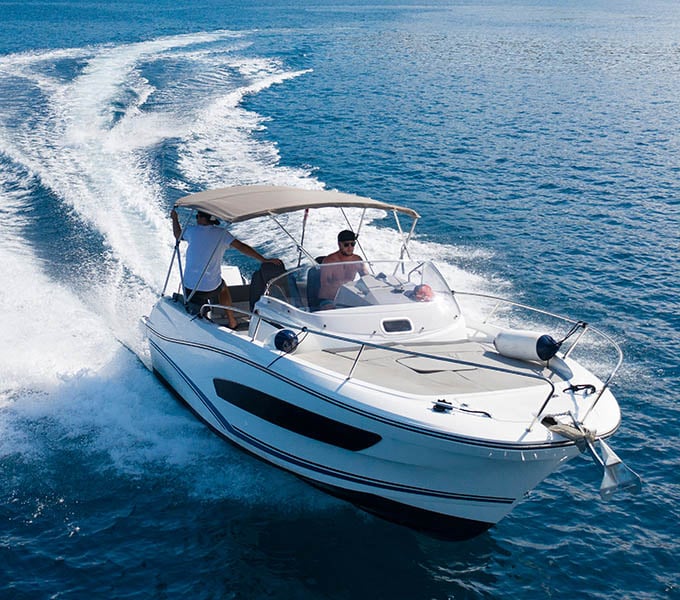
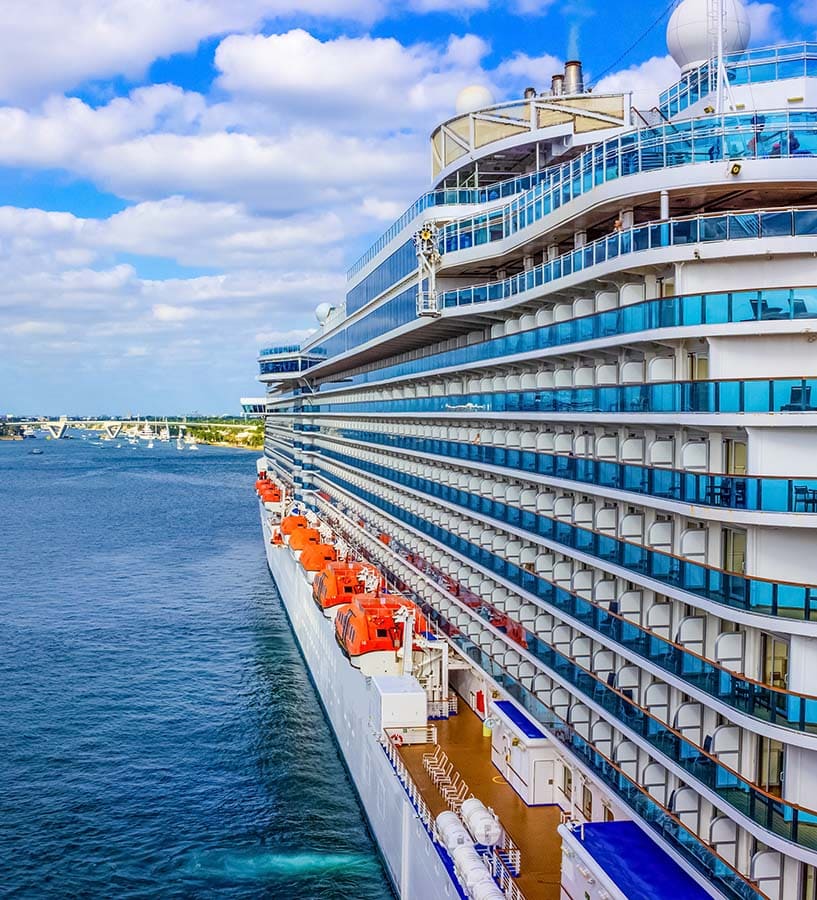
Meister Law represents a wide range of clients, including boaters, crew members/seafarers and cruise passengers, injured at sea and on cruise shore excursions. If you were injured or a loved one killed in a boating accident due to reckless operation, unsafe equipment or carelessness, attorney Meister seeks to hold those individuals and businesses accountable.
Meister Law is also a strong advocate for injured cruise ship passengers. It can be difficult to take on major cruise ship lines without the help of an experienced maritime law attorney who knows how to obtain legal relief.
Seafarers and crewmembers are often tasked with performing difficult and dangerous tasks that can put their health and well-being at risk. If injuries occur, there are laws and remedies that provide them with protection. As a former crewmember, Attorney Meister has seen firsthand how difficult it can be for these hard workers to receive the protection they are entitled to under the law.
If you’ve been hurt while loading cargo, repairing a vessel or performing another harborside task, you need to be aware of your rights. Get help from an expert maritime attorney to obtain the proper benefits or seek compensation.
What Our Clients Say
I was incredibly fortunate to have Tonya Meister by my side during my cruise ship case, where she secured a $20.3 million verdict. What truly sets Tonya apart is her extraordinary empathy and unwavering dedication. She didn’t just represent me as a client; she treated me as a fellow human being facing a challenging situation. From our first meeting, it was evident that I’d found a gem, not just a legal expert but a true advocate. Tonya tirelessly strived for the best possible outcome for me, leaving no stone unturned in her pursuit of justice. Her genuine concern for my welfare made me feel like more than just a case; she made me feel like a person whose rights and needs were her top priority. I was kept informed at every step with open and clear communication, and Tonya was always just a call away, even with the considerable time difference between New Zealand the US. The verdict secured in my case exceeded my expectations and was a testament to Tonya’s exceptional legal skills and dedication. If you’re seeking a lawyer who fights for your rights and puts you first, Tonya is the ideal choice. She’s not just an outstanding attorney; she’s a remarkable human being who made a significant difference in my life. I am immensely grateful for her representation and the exceptional results she achieved.
Attorney Meister Is An Expert Maritime
Law Attorney
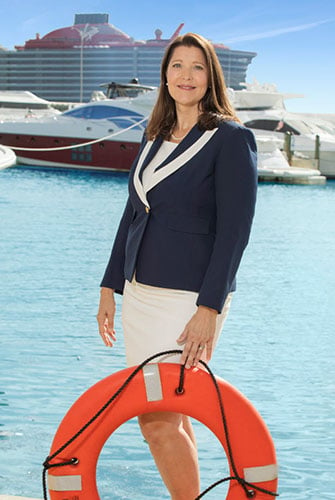
With Maritime Law the sole focus of her practice, Attorney Tonya J. Meister is an expert in this specialized area. In addition to being Board Certified in Admiralty and Maritime Law by The Florida Bar, Tonya has been selected to Super Lawyers for over 10 consecutive years.
She found her calling in maritime law while serving as a crewmember on a dive excursion passenger vessel in college. It was there she witnessed firsthand that seafarers and passengers had rights that needed to be protected and respected while out at sea. She decided to combine the passion she had for law with her love for the ocean by attending law school to focus on maritime law.
Attorney Meister holds licenses to practice law before all Florida state courts, all Florida U.S. District Courts, and the Supreme Court of the United States.
Tonya J. Meister Esq.
Work With Someone Who Understands
As someone who spends a lot of time around boats and in the water, Attorney Meister understands what many have gone through. Whether she has experienced it or seen it firsthand through her work as an attorney, she will understand and is there to help.
Meister Law, LLC was founded because Tonya saw the need for a quality law firm that understood and provided for the specific needs of injured boaters, crewmembers, and passengers. Tonya only handles maritime law cases. Her entire practice is dedicated to protecting those injured or killed at sea.
If you would like to learn how she can help with your case, contact the firm at 305-703-6075 to schedule a free consultation or fill out an online contact form.
$20,300,000
Verdict in Lisa Spearman v. Royal Caribbean Cruise Line
$6,375,000
Settlement in boating incident case
$2,500,000
Verdict in Vicente Fernandes v. Celebrity Cruises, Inc.
Put Your Trust In An Expert Maritime Law Attorney